Data Sharing in the Health Sector
Why health data sharing matters In recent years, data sharing has become increasingly important in the health sector, as it has the potential to improve collaboration, scientific research, and personalized health care. Data sharing enables earlier diagnosis, accelerates clinical research, improves treatment pathways and supports public health surveillance. Forms of health data sharing Data sharing […]
Fines of more than €400 million in tech industry for GDPR non-compliance
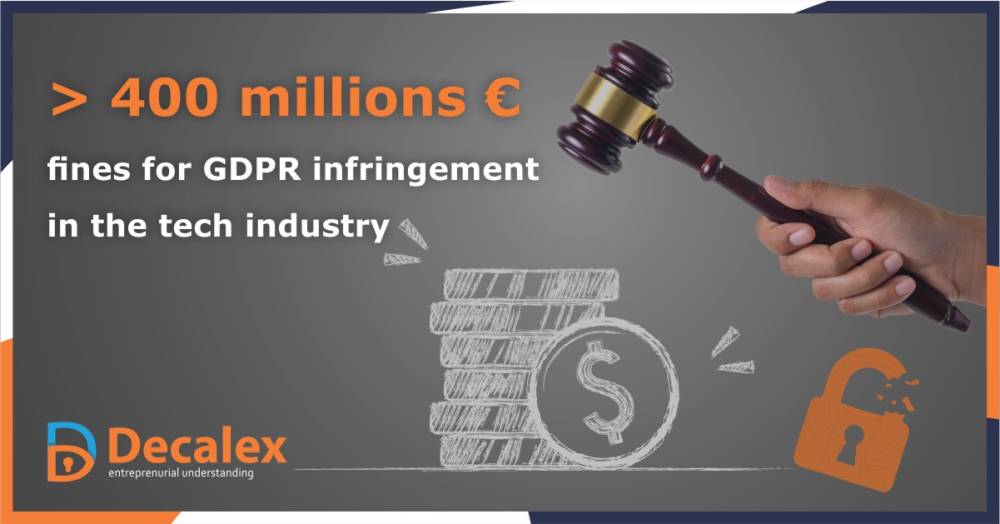
Overview: a year of record fines The end of 2022 has brought a series of stinging fines for the tech industry’s biggest players. Facebook, Microsoft and TikTok were fined for ignoring the provisions imposed by the European data protection legislation. The general trend: European authorities moved from warnings to substantial fines, demonstrating that GDPR is […]
The necessity of the contract performance legal basis in the context of the Irish Data Protection Commissioner vs Instagram
The legal basis: Article 6(1)(b) GDPR On 17 July 2019 the Irish Data Protection Authority was informed of a personal data breach originating from Instagram’s publication of contact details of creator/business profiles in the HTML code of their Instagram page — including those of minors. Article 6(1)(b) permits processing where it is: Necessary for the […]
Dark Patterns: How to Recognise and Avoid Them

The EDPB Guidelines on dark patterns The European Data Protection Board has recently adopted Guidelines on dark patterns in social media platform interfaces. These offer recommendations on how to assess and avoid so-called “dark patterns” in social media platform interfaces in order to comply with GDPR requirements. Dark patterns influence users’ behaviour and ability to […]
Business risks for using Google Analytics
Background: Schrems II and transfers to the US Any company outside of the EU still has to care about the General Data Protection Regulation (GDPR), as it can affect them. On 16 July 2020, the Court of Justice of the European Union (ECJ) invalidated the EU-US Privacy Shield, which represented the standard framework for regulating […]
Anonymization and pseudonymization of personal data
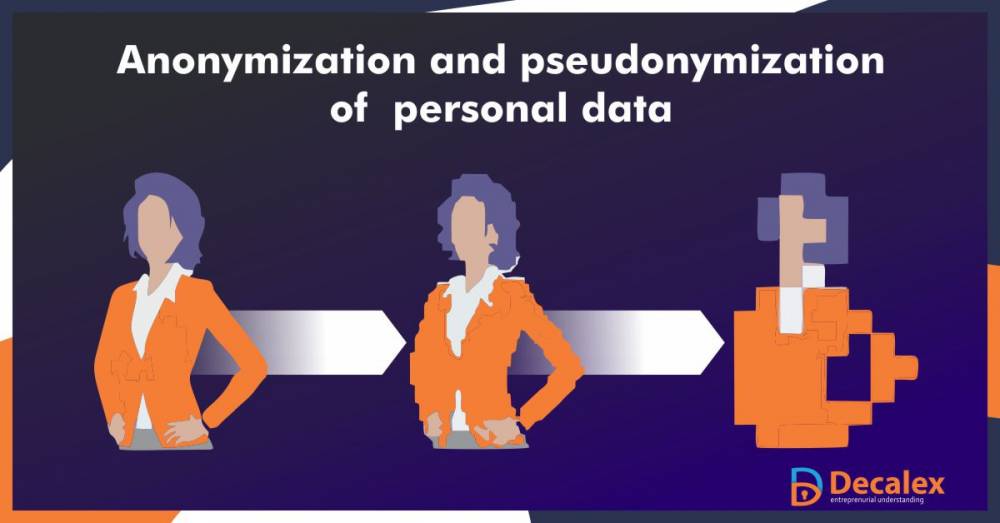
Anonymisation: definition and legal effects The anonymisation of personal data involves a process of modifying the data, so that it becomes impossible to identify the person to whom that data refers, either directly or indirectly. Thus, anonymous data — information that does not relate to an identified or identifiable natural person — falls outside the […]
Deactivating the Emails of Your Former Employees
The issue: former employee email accounts Employee dismissals and resignations happen all the time at private companies and public institutions. Nevertheless, there are some important things to consider in this situation. For example, an employee’s email account contains personal data — both of the employee themselves and of clients, partners, and colleagues who communicated with […]
DPIA (Data Processing Impact Assessment) and what does it involve
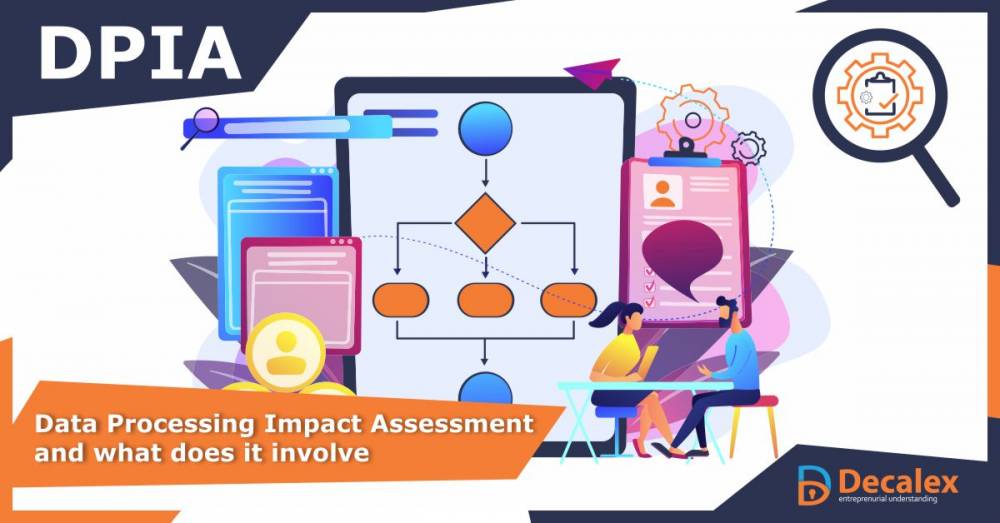
What is a DPIA and why it exists DPIA is the acronym for Data Processing Impact Assessment, and is a compliance instrument to the requirements imposed by Regulation (EU) 2016/679 (GDPR) for high-risk processing activities. The data protection impact assessment shall in practice serve the following purposes: Identifying risks to the rights and freedoms of […]
Black Friday and how you can protect your customers’ data on online shops
Black Friday: context and key facts Black Friday is a concept that appeared in the United States, since the last century, being the day that marks the beginning of the Christmas shopping season, but also the day with the most purchases and promotions. In Romania, the concept was introduced in 2011 by Emag and Flanco […]
Processing of mental health data through mobile devices and apps
Mental health data in the digital age It is no longer a novelty that personal data can be processed through various mobile devices and apps, which can provide hints about the health of a person. The General Data Protection Regulation 2016/679 (GDPR) defines health data as data related to the physical or mental health of […]